Ready to Plan Your Perfect Event?
Connect with Arise Event today and turn your vision into a flawlessly executed experience.
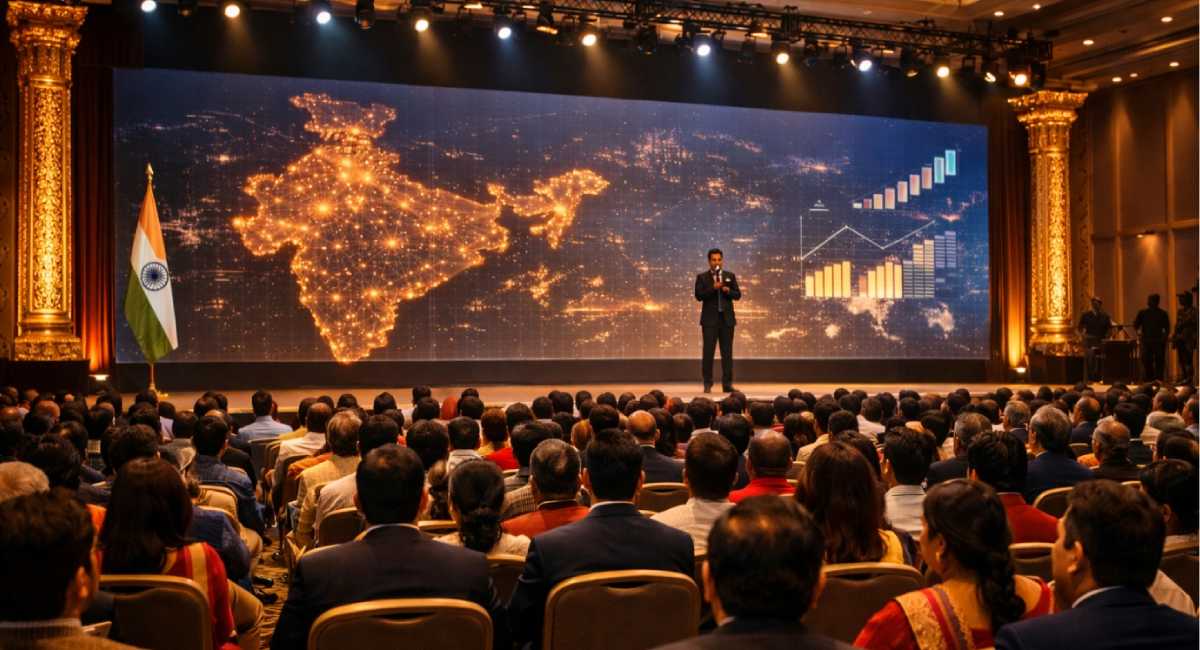
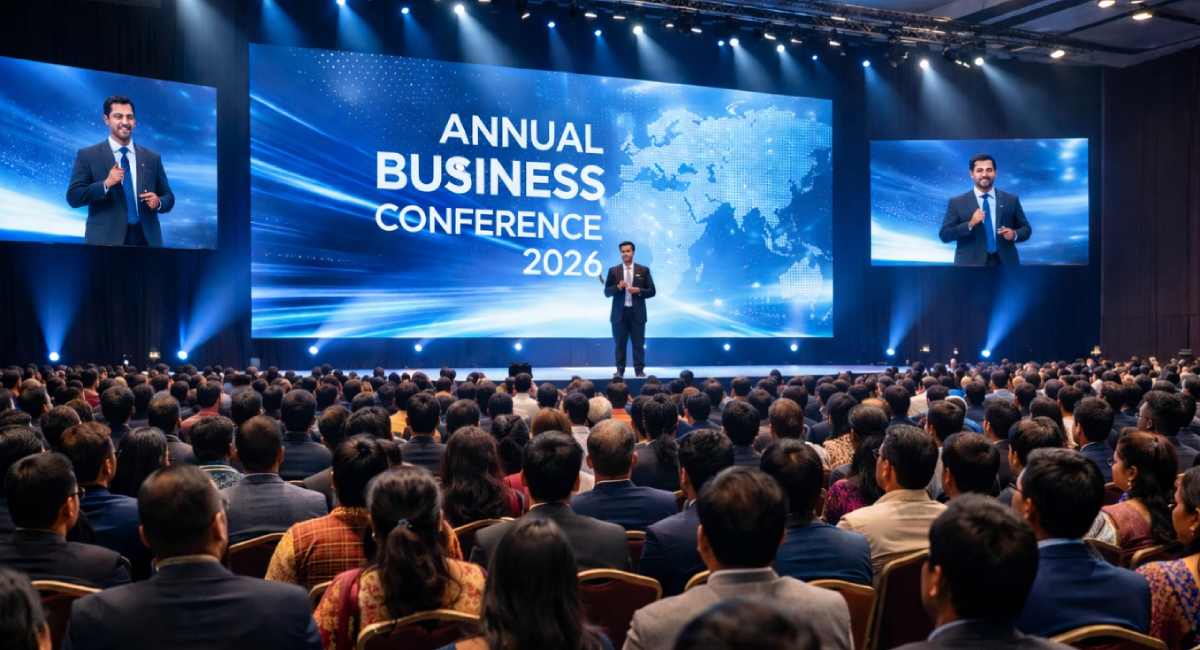
Conference events play an important role in professional communication, industry collaboration, and knowledge sharing. Organisations across industries organise conferences to bring together experts, professionals, business leaders, and stakeholders to exchange ideas and discuss developments within their field.
Corporate conferences, leadership summits, and professional seminars provide opportunities for learning, networking, and strategic discussions. These events allow organisations to present new ideas, discuss industry trends, and build stronger relationships with partners, employees, and stakeholders.
However, organising a successful conference requires careful planning and structured coordination. A conference event includes several components such as venue selection, speaker coordination, technical production, guest registration, and event logistics. Each of these elements must work together smoothly to deliver a professional and engaging experience for attendees.
At Arise Event, our team regularly plans and manages corporate conferences, leadership summits, and professional seminars across Bhopal, Indore, and other cities across India. Based on our experience managing conference events of different scales, here is a practical guide on how to organise a successful conference.
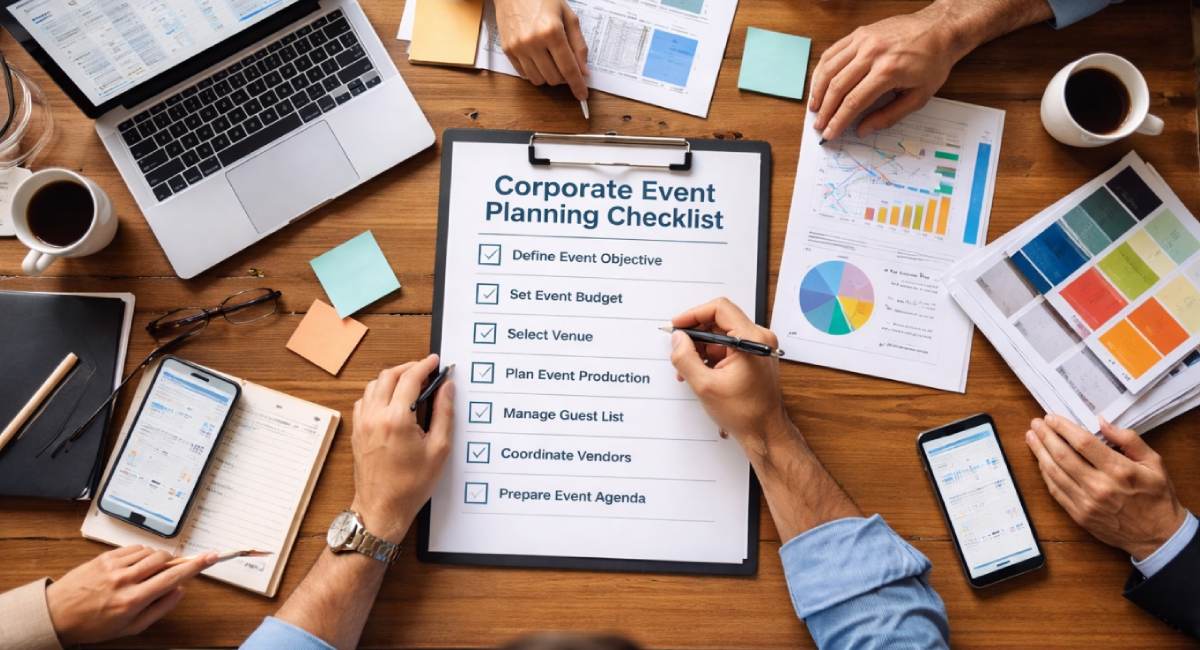
The first step in organising a conference is clearly defining the objective of the event. Understanding the purpose helps guide the planning process and ensures that the event remains focused.
Conferences may be organised for various purposes such as knowledge sharing, professional networking, leadership discussions, training sessions, or product presentations.
When the objective is clearly defined, organisers can design a program that aligns with the goals of the event. A clear purpose also helps determine the format of the sessions, the type of speakers who should be invited, and the audience the conference is designed for.
This step forms the foundation for all other planning decisions and ensures that the conference delivers meaningful value to participants.
Understanding the target audience is essential when planning a conference event. The audience profile influences the topics of discussion, the choice of speakers, and the structure of the sessions.
Conference audiences may include industry professionals, corporate executives, entrepreneurs, researchers, academic experts, or students interested in the subject of the conference.
Knowing the audience helps organisers design sessions that are relevant and engaging. For example, a leadership summit may focus on strategic business discussions, while an educational conference may focus on training and knowledge sharing.
Understanding the audience also helps determine the expected number of participants, which is important when selecting a venue and planning event logistics.
Selecting the right venue is one of the most important decisions when organising a conference. The venue influences the overall experience of attendees and determines how smoothly the event can be conducted.
A conference venue should provide sufficient space for participants while also supporting the technical requirements of the event.
Important factors to consider when selecting a venue include seating capacity, accessibility, location convenience, availability of audio-visual equipment, and facilities for networking or breakout sessions.
The venue should also offer comfortable hospitality services such as catering, waiting areas, and guest assistance facilities.
Cities such as Bhopal and Indore provide several hotels, conference halls, and convention centres that are suitable for professional conferences and seminars.
A well-structured agenda helps ensure that the conference runs smoothly and keeps participants engaged throughout the event.
The agenda should balance informative sessions with opportunities for discussion and networking.
A typical conference program may include an opening ceremony, keynote presentations, panel discussions, breakout sessions, networking breaks, and closing remarks.
Keynote speakers are often invited to present industry insights or important ideas. Panel discussions allow experts to share different perspectives on a topic, while breakout sessions give participants the opportunity to engage in smaller group discussions.
A structured agenda helps maintain the flow of the event and ensures that participants remain engaged throughout the conference.
Speakers play a crucial role in the success of a conference. Their expertise and ability to communicate ideas effectively contribute significantly to the value of the event.
When selecting speakers, organisers should focus on individuals who are knowledgeable, experienced, and relevant to the conference theme.
Speaker coordination usually includes confirming speaker availability, discussing presentation topics, scheduling session timings, and providing technical support for presentations.
Organisers should also prepare speaker introductions and ensure that all presentation materials are ready before the event begins.
Clear communication with speakers ensures that their sessions run smoothly and provide valuable insights for participants.
Professional technical production is essential for delivering a successful conference experience. The technical setup ensures that presentations and discussions are clearly visible and audible to participants.
Production planning typically includes stage design, podium setup, sound systems, microphones, LED screens, and presentation displays.
Lighting design is also important to ensure that speakers are clearly visible on stage and that the audience can focus on presentations.
Some conferences may also include live streaming or video recording so that sessions can be shared with a wider audience.
Proper technical planning ensures that the conference program runs smoothly and that participants can fully engage with the content being presented.
Guest registration is another important aspect of conference planning. A well organised registration system helps create a professional and welcoming experience for attendees.
Registration planning usually includes online registration forms, invitation confirmations, attendee badges, and on-site registration desks.
Providing clear instructions for participants helps ensure that the registration process remains smooth and efficient.
When participants arrive at the venue, the registration team should assist them with badges, conference materials, and information about the event schedule.
A smooth registration process helps create a positive first impression for attendees.
Networking is one of the main reasons professionals attend conferences. These events provide an environment where participants can connect with others in their industry and exchange ideas.
Organisers can encourage networking by including dedicated networking breaks, informal discussion spaces, and interactive sessions.
Panel discussions and workshops also provide opportunities for participants to interact with speakers and other attendees.
These networking opportunities enhance the overall value of the conference and help participants build meaningful professional connections.
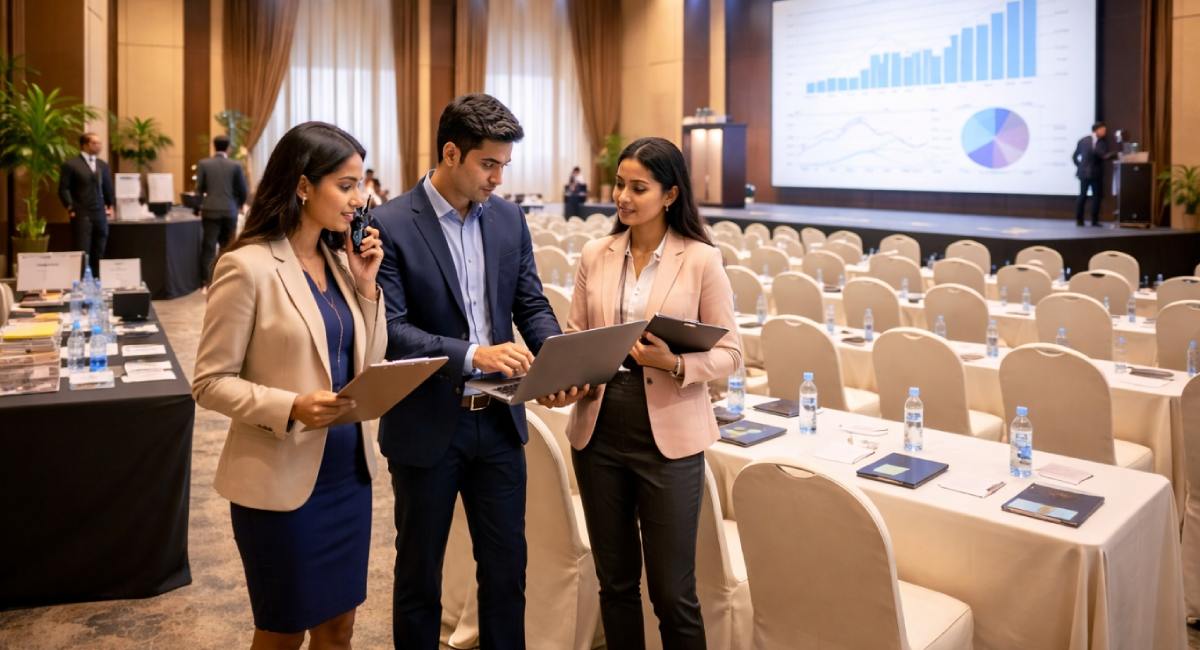
On the day of the conference, effective coordination is essential to ensure that the program runs according to schedule.
Event managers supervise the program and coordinate speakers, technical teams, and vendors to ensure that everything runs smoothly.
Responsibilities during event execution include stage management, session coordination, technical supervision, guest assistance, and timeline monitoring.
With proper coordination and professional supervision, the conference can run efficiently and deliver a positive experience for all participants.
Organising a successful conference requires careful planning, strong coordination, and professional event management.
At Arise Event, our team specialises in planning and managing corporate conferences, seminars, and leadership events across Bhopal, Indore, and across India.
From venue selection and speaker coordination to technical production and event logistics, we focus on delivering well organised conference experiences.
If your organisation is planning a conference or professional seminar, our team would be happy to assist you.
• Corporate Conference & Seminar Management
• Corporate Annual Meet & Award Night Management
• Product Launch Event Management
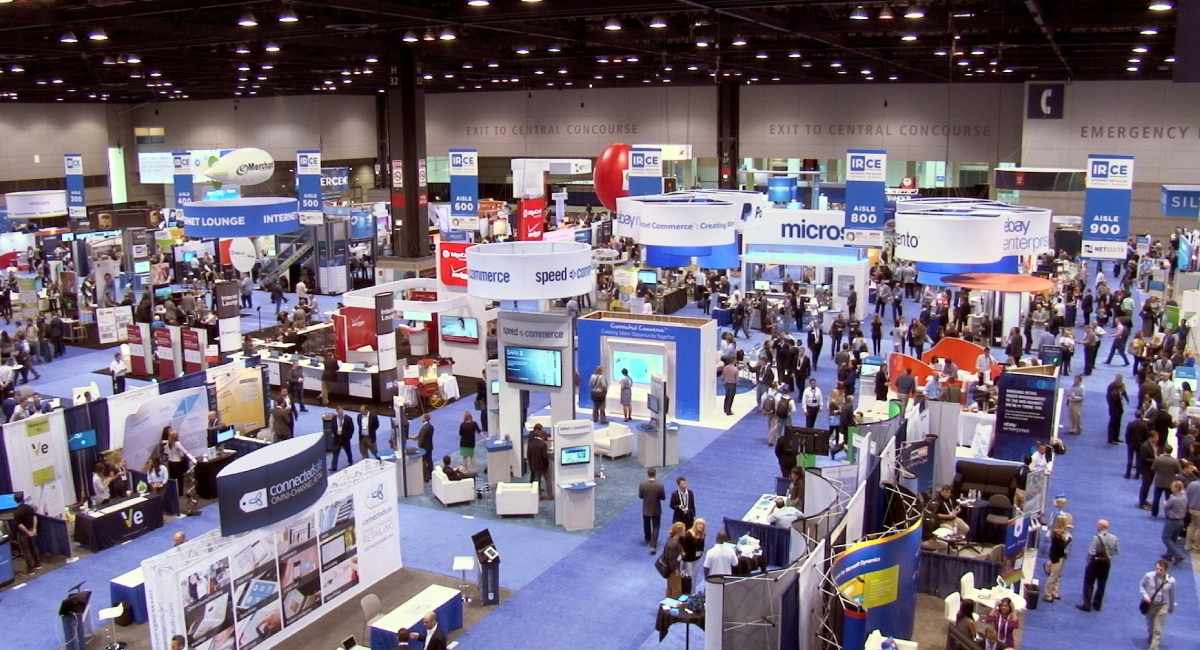
• Exhibition & Trade Show Event Management
• Corporate Team Building & Employee Engagement Programs
What is a conference event?
A conference event is a professional gathering where experts, industry leaders, and participants come together to share knowledge and discuss ideas.
How early should a conference be planned?
Most conferences should be planned 6–8 weeks in advance to allow sufficient time for venue booking and speaker coordination.
What makes a conference successful?
A successful conference usually includes a clear agenda, experienced speakers, professional production setup, and networking opportunities.

As an event management company based in Bhopal, we support clients in Indore, across Madhya Pradesh, and in cities across India through our Pan India event execution capabilities.

We partnered with Arise Event for our annual corporate leadership conference, and the entire experience was extremely smooth. Their team handled stage production, audio-visual setup, speaker coordination, and event flow with great professionalism. Everything ran on schedule, and our delegates truly appreciated the well-organised environment.

Our annual company meet and award ceremony was executed beautifully by the Arise Event team. The lighting, stage setup, and overall coordination created a highly professional atmosphere to celebrate our employees’ achievements. The entire evening was managed seamlessly from start to finish.
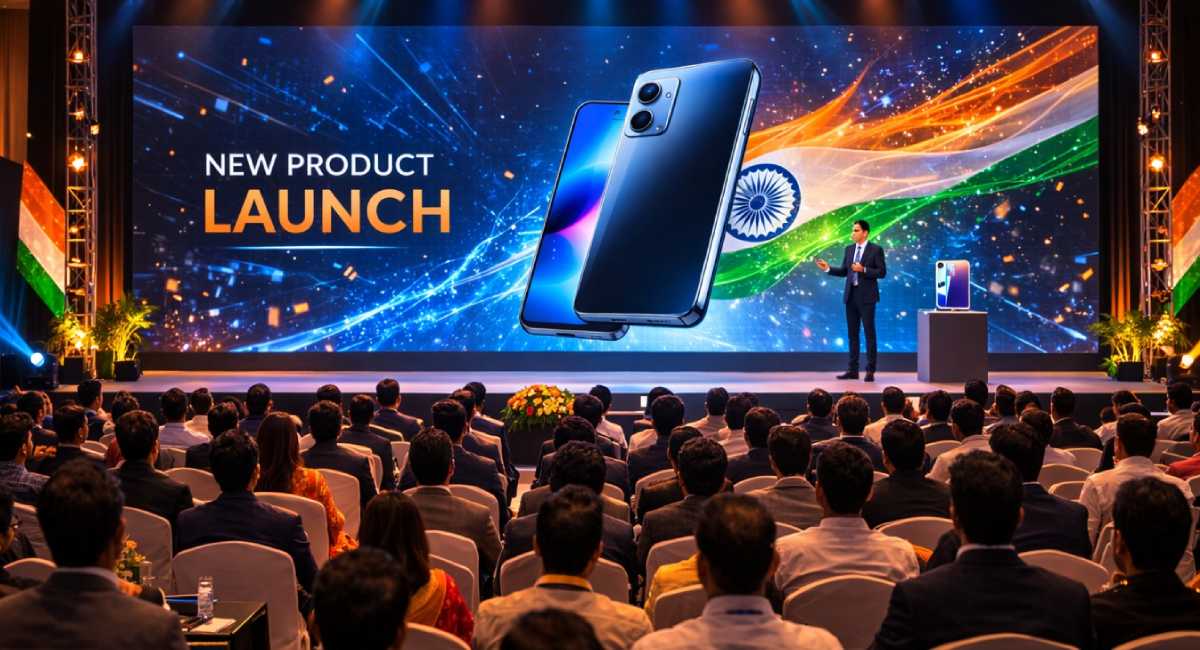
We organised a product launch event, and the Arise Event team delivered an impressive setup. The stage design, LED displays, and presentation arrangements helped us showcase our new product in a highly impactful way. Their coordination allowed us to focus entirely on our guests and partners.

Our dealer conference involved partners travelling from several cities, so coordination was critical. Arise Event handled the venue setup, presentation arrangements, and guest hospitality very efficiently. The event was professionally organised, and our partners had a great experience.
The exhibition stall designed by the Arise Event team stood out at the trade show. Their strong understanding of branding and display design helped attract visitors to our booth throughout the exhibition. The entire installation and coordination process was smooth and efficient.
Our company’s awards night turned out to be one of the most memorable events we have organised. The Arise Event team handled stage production, lighting, and program coordination flawlessly. The event maintained a perfect balance between professionalism and celebration.
We organised a community Garba celebration, and the Arise Event team managed the entire event exceptionally well. From stage setup and sound systems to crowd coordination, everything was handled professionally. The event had incredible energy and participation.
Our Holi celebration event was vibrant, safe, and very well organised. The Arise Event team ensured that the music setup, colour zones, and crowd flow were managed smoothly. It turned out to be one of the most enjoyable community events we’ve hosted.
We hosted a live music show, and the Arise Event production team did an outstanding job with stage setup and technical arrangements. The sound quality, lighting effects, and performance coordination created a fantastic experience for the audience.
Our college cultural festival involved multiple performances and a large student audience. The Arise Event team coordinated stage management, sound systems, and event logistics very efficiently. Their support ensured the festival ran smoothly.
The New Year celebration organised by Arise Event was extremely lively and professionally managed. The entertainment setup, stage production, and audience coordination made the entire evening memorable for everyone attending.
Our corporate team-building event was thoughtfully planned and highly engaging. The activities were well organised and helped our team connect in a relaxed and enjoyable environment. The Arise Event team handled everything efficiently.
Our Diwali celebration event was beautifully arranged by the Arise Event team. The lighting, decorations, and cultural performances created a wonderful festive atmosphere that our community truly appreciated.
The team demonstrated excellent experience in managing large public festival events. Even with a large crowd, the event was organised smoothly, and participants felt comfortable and safe throughout the celebration.
We worked with Arise Event for a live entertainment show involving artist performances and a large audience. Their coordination with performers and the production team ensured that the show ran exactly as planned.
Our distributor conference was a very important event for our company, and Arise Event managed it flawlessly. Their planning, technical coordination, and guest management made the event both professional and engaging.
The brand activation campaign organised by Arise Event helped us connect directly with our target audience. Their team handled promotional setups and audience engagement activities very professionally.
The college cultural event we organised with Arise Event was extremely well coordinated. From stage performances to audience management, the entire event was structured and enjoyable for students and guests.
We organised a large community celebration, and Arise Event handled the planning and execution perfectly. Their team ensured every detail was managed properly, and the event ran smoothly.
Working with Arise Event made our event planning process completely stress-free. Their team remained organised, responsive, and professional throughout. We would definitely collaborate with them again.
An event management company plans and organises events from concept development to final execution. This includes venue coordination, event design, vendor management, production setups, logistics planning, and on-site supervision. At Arise Event, the focus is on structured planning and smooth execution for conferences, exhibitions, concerts, corporate events, and wedding celebrations across Bhopal, Indore, Madhya Pradesh, and multiple cities across India.
Professional event planners bring experience, organisation, and industry connections that help ensure events are executed efficiently. They manage vendors, event timelines, production setups, and guest experiences so that clients can focus on the purpose of the event.
Event planning should ideally begin well in advance to allow time for venue selection, vendor coordination, and event design preparation. Larger events such as conferences, exhibitions, concerts, and corporate celebrations require more structured planning.
Event planners organise a wide variety of events including corporate conferences, product launches, exhibitions, trade shows, award ceremonies, concerts, festivals, team building events, and wedding celebrations. Through its event planning and execution services, Arise Event supports organisations and families in designing well-structured and memorable events.
Event planning generally includes concept development, venue selection, event design, vendor coordination, production planning, logistics management, and final event execution.